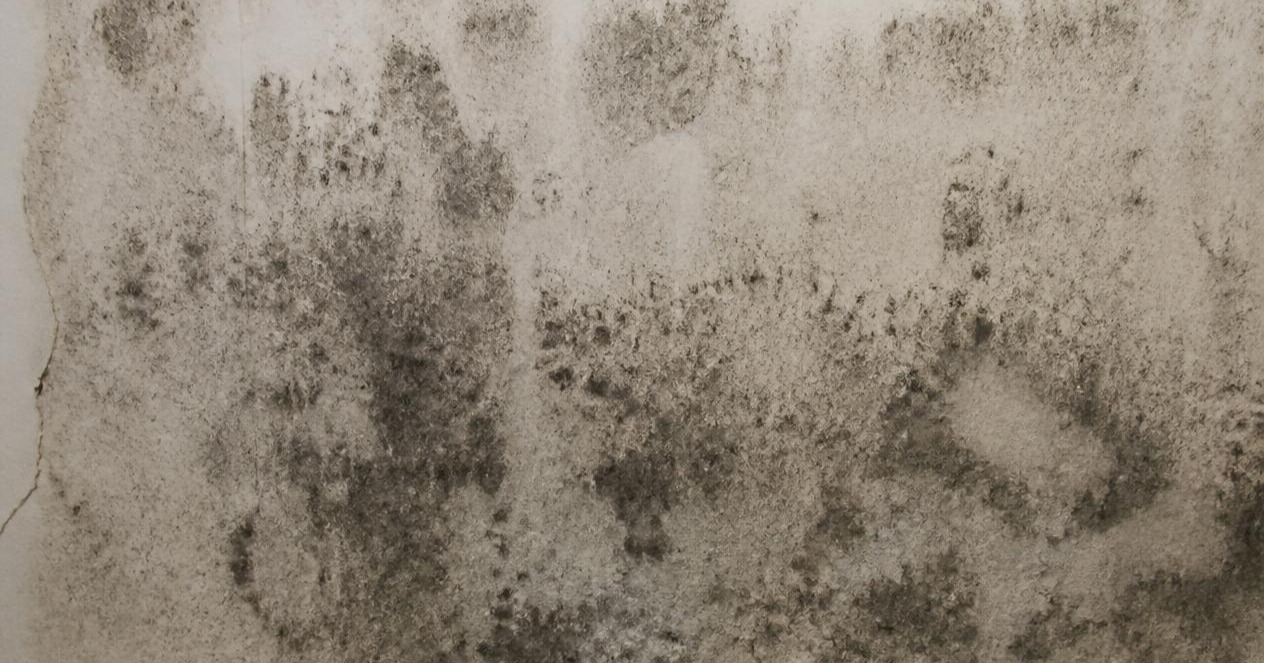
“Black mold” is one of the most searched, and most misunderstood, topics that comes up after a water leak. Not all dark-colored mold is the specific species people usually mean by that term, and not every water event leads to it — but understanding how mold actually gets started after water damage helps you catch it early, which is the single biggest factor in how easy it is to deal with.
What “Black Mold” Actually Refers To
The term is commonly used for Stachybotrys chartarum, a slow-growing, dark greenish-black mold that tends to grow on water-damaged materials with high cellulose content — drywall paper, wood, insulation backing — that have stayed wet for an extended period. It’s worth knowing that plenty of common household molds are also dark-colored and are frequently mistaken for it. Visual identification alone isn’t reliable; if you need to know specifically what species is present, that requires lab testing of a sample, not a guess based on color.
How Mold Gets Started After Water Damage
The timeline is faster than most people expect. The Environmental Protection Agency (EPA) notes that mold can begin growing on wet materials within 24–48 hours of water exposure, and can become visibly established within a matter of days if conditions (moisture, warmth, an organic material to grow on) stay favorable. This is one of the main reasons speed matters more than almost anything else in water damage response — the difference between same-day extraction and a week-long delay is often the difference between no mold and a real remediation job.
Signs of Mold After a Water Event
- Visible growth — spots or patches, often black, dark green, or occasionally white or orange depending on the species
- A persistent musty or earthy smell, even without visible growth — this often means mold is present somewhere you can’t see, like inside a wall cavity or under flooring
- Return of a smell after cleaning — usually means the moisture source wasn’t fully addressed
- Discoloration on drywall, especially near seams, corners, or around outlets
Is It Dangerous? What the Health Agencies Actually Say
This isn’t a topic to guess about, so it’s worth going to the source rather than relying on general internet claims. Both the EPA and the Centers for Disease Control and Prevention (CDC) publish guidance on mold and health, and the consistent takeaway from both is that mold exposure can cause allergic-type reactions and respiratory irritation in some people — particularly those with existing allergies, asthma, or compromised immune systems — but individual health effects vary and aren’t the same for everyone. If you or someone in your household has ongoing symptoms you think may be related to mold exposure, that’s a conversation for a healthcare provider, not something to self-diagnose based on an article. For the practical side of dealing with mold itself, the EPA’s homeowner guidance is the most direct public resource.
DIY Cleanup vs. Professional Remediation
The EPA’s general guidance is that mold covering an area larger than roughly 10 square feet (about a 3×3-foot patch) is generally a job for a professional, not a DIY cleanup — beyond that size, proper containment (to stop spores spreading to unaffected areas during removal) becomes much harder to do reliably without specialized equipment.
Reasonable to handle yourself if:
– The affected area is small (under ~10 sq ft)
– It’s on a non-porous or semi-porous surface (tile, hard plastic, sealed wood) rather than deeply absorbed into drywall or carpet
– You don’t have a compromised immune system, asthma, or mold allergies
Call a professional if:
– The area is larger than about 10 sq ft
– It’s inside HVAC ductwork (mold in ductwork can spread spores throughout the home via the air system)
– It’s recurring after you’ve cleaned it before — a repeat problem almost always means the underlying moisture source was never fully fixed
– Anyone in the household has relevant health sensitivities
The Remediation Process (Professional Jobs)
- Containment — sealing off the affected area to prevent spores spreading during removal
- Air filtration — HEPA filtration equipment running during the work
- Removal of affected materials — porous materials with mold growth (drywall, carpet, insulation) are typically removed rather than just cleaned
- Cleaning non-porous surfaces — hard surfaces are cleaned and treated rather than removed
- Drying — addressing the underlying moisture, since remediation without fixing the moisture source just means the mold comes back
- Post-remediation verification — some companies offer a follow-up inspection or air quality test to confirm the job worked
Preventing Mold After Future Water Events
- Respond within 24–48 hours to any leak — this single habit prevents more mold problems than any cleaning product
- Run dehumidifiers and fans in any area that’s gotten wet, even if it looks dry on the surface
- Fix the moisture source, not just the visible mold — cleaning mold without addressing why the area got wet in the first place is a temporary fix
- Keep humidity in problem areas (basements, bathrooms) below roughly 50%, which is broadly consistent with EPA guidance for discouraging mold growth
The Takeaway
Most “black mold” concerns after water damage come down to two things: how quickly the water was addressed, and how much of the affected material stayed wet for more than a day or two. Speed is the actual prevention strategy — by the time mold is visible, you’re already managing a cleanup rather than avoiding one. For anything beyond a small, easily accessible patch, or if there’s any question about health effects for someone in the household, that’s the point to bring in a professional rather than keep working on it yourself.