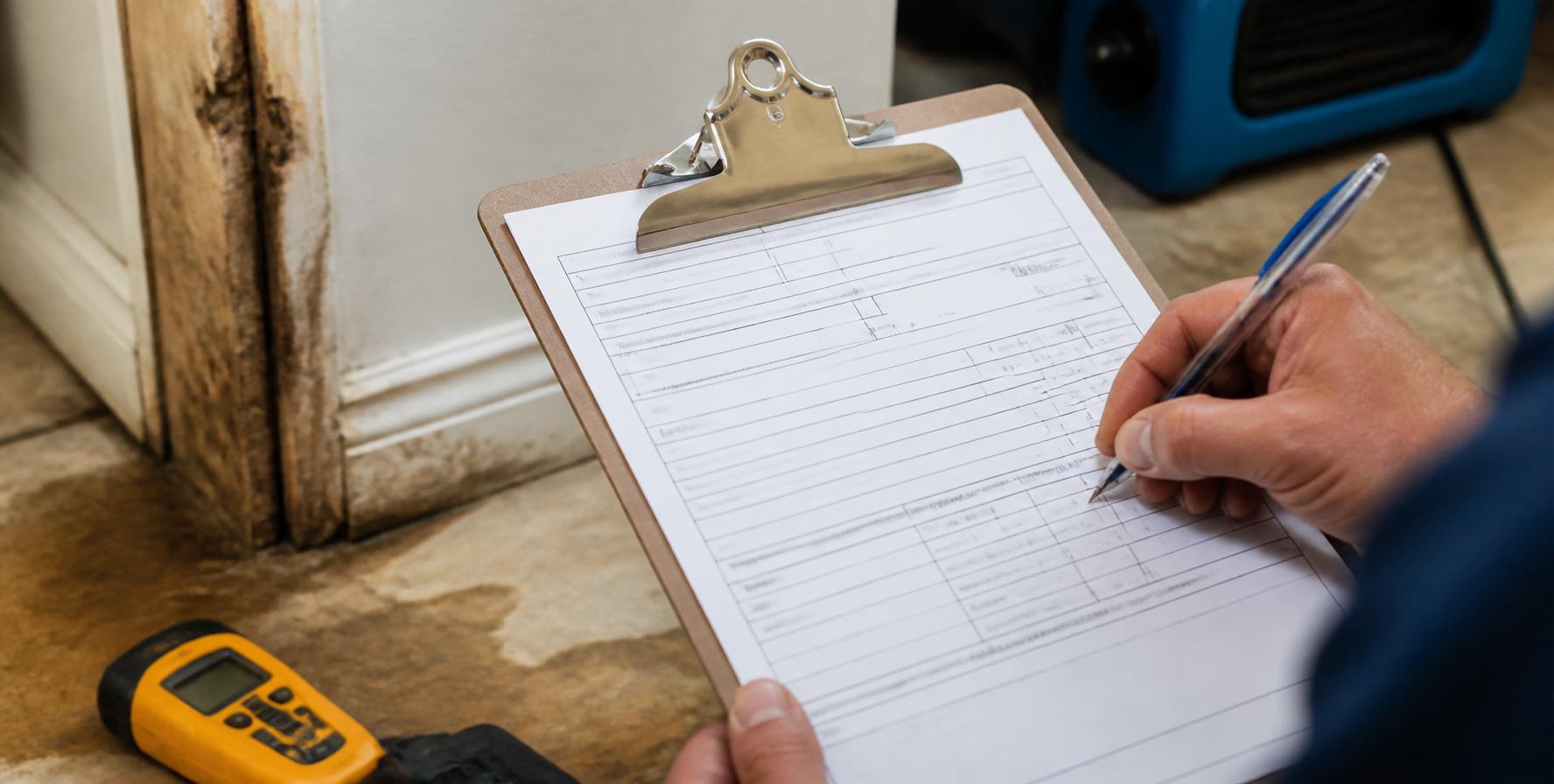
There’s no single number for water damage repair cost — a small ceiling stain and a flooded basement are both “water damage,” but one is a $200 weekend fix and the other can run into five figures. The real answer depends on three things: how much water was involved, what it touched, and how long it sat before anyone dealt with it. This guide breaks the cost down by room and situation so you can get a realistic range before you call anyone.
What Actually Drives the Cost
Before the room-by-room numbers, it helps to understand what moves them:
- Water category — clean water (Category 1) is the cheapest to deal with; grey water (Category 2) costs more because of extra cleaning; black water (Category 3, sewage or floodwater) costs the most because contaminated porous materials usually have to be removed and replaced, not just dried.
- How long the water sat — damage compounds fast. A leak caught the same day is a fraction of the cost of the same leak discovered a week later, once materials have started to warp, delaminate, or grow mold.
- What was affected — drywall and paint are cheap to replace; hardwood floors, cabinetry, and finished basements are not.
- Square footage — most professional quotes are priced per square foot for extraction and drying, separate from material replacement.
- Whether mold is already present — mold remediation is typically billed separately from water damage repair and adds meaningfully to the total.
Cost by Room
| Room / Area | Minor Repair | Moderate Damage | Severe Damage |
|---|---|---|---|
| Ceiling | $150 – $400 | $300 – $1,550 | $2,000 – $4,400+ |
| Wall / drywall | $150 – $400 | $400 – $1,200 | $1,200 – $3,000 |
| Basement (unfinished) | $50 – $500 | $500 – $2,000 | $3,000 – $7,000 |
| Basement (finished) | $500 – $1,500 | $2,000 – $7,000 | $7,000 – $15,000+ |
| Flooring (per room) | $200 – $550 | $500 – $2,500 | $2,500 – $6,000+ |
| Kitchen (cabinets + flooring) | $500 – $1,500 | $1,500 – $5,000 | $5,000 – $15,000+ |
| Bathroom | $300 – $1,000 | $1,000 – $3,000 | $3,000 – $8,000 |
The national average for a full water damage restoration job is around $3,860 (typical range $1,383–$6,370), according to Angi and Today’s Homeowner 2026 cost data. These ranges assume the source of the leak is already fixed — none of them include re-roofing, re-piping, or appliance replacement, which are billed separately by the relevant contractor.
DIY vs. Professional: Where the Line Actually Is
DIY makes sense when the damage is cosmetic and the water was clean:
- Surface stains with no soft spots or sagging
- A small area (roughly under 10 sq ft)
- The leak source is already resolved
- No mold is visible
A DIY repair mostly costs materials — primer, drywall compound, paint — typically $30–$150 depending on the size of the job, plus your own time.
Professional help becomes worth the cost once:
- The affected area is large or spans multiple rooms
- Water sat long enough that materials are saturated, not just stained
- The water source was Category 2 or 3 (appliances, sewage, floodwater)
- There’s structural material involved (subfloor, framing, insulation) rather than just surface finishes
A professional water damage company typically charges $3.75–$7.00 per square foot for extraction and drying, with additional line items for demolition, antimicrobial treatment, and reconstruction if materials need replacing.
When Repair Becomes Replacement
This is the biggest cost swing in any water damage job. As a rough guide:
- Repair is usually viable for painted drywall, trim, and hard flooring (tile, vinyl) that dries without warping
- Replacement is usually needed for carpet padding (it rarely dries clean), particleboard/MDF cabinetry (swells permanently), and any Category 2/3-affected porous material, regardless of how it looks once dry
Getting this decision wrong in either direction costs money — repairing something that should have been replaced often means doing the job twice once a smell or mold returns; replacing something repairable is just unnecessary spend.
Getting an Accurate Estimate
- In-person estimates are more reliable than phone quotes — moisture behind walls and under flooring isn’t visible, and a phone estimate can’t account for it
- Ask for a moisture reading, not just a visual assessment — reputable restoration companies use moisture meters to confirm how far the damage extends, not just how far it looks like it extends
- Get the scope of work in writing before work starts, including what’s being dried vs. removed vs. replaced
- A second quote is reasonable for anything over a few thousand dollars, particularly for basement or multi-room jobs
Does Insurance Offset Any of This?
Sometimes. Homeowners insurance typically covers repair costs tied to sudden, accidental damage (a burst pipe, a sudden appliance failure) but excludes damage from gradual leaks, poor maintenance, or flooding from an external source. If the cause qualifies, your policy may cover both the water damage repair and, separately, the underlying fix (like the plumbing repair) up to your coverage limits and after your deductible. Document everything with photos and get a written estimate before starting repairs if you plan to file a claim.
The Takeaway
Most of the wide range in “water damage repair cost” quotes online comes down to severity, not location or contractor pricing — a stained ceiling and a flooded finished basement are both technically water damage, but they’re not remotely the same job. Get an in-person assessment before assuming either end of the range applies to your situation, and treat any estimate that skips a moisture reading with some skepticism.